Dust and debris buildup in ducts
We use rotary brushes, air whips, and a negative air machine to pull compacted dust from every run. The system is left clean enough that the duct camera shows bare metal, not a dust layer.
Professional Duct Cleaning Midvale UT is the fastest way to clear dust, mold, and allergens from your home's air system. Our expert duct cleaning in Midvale uses HEPA vacuums and rotary brushes to pull years of buildup from every vent. If your family wakes up congested or your energy bills keep climbing, we can help.
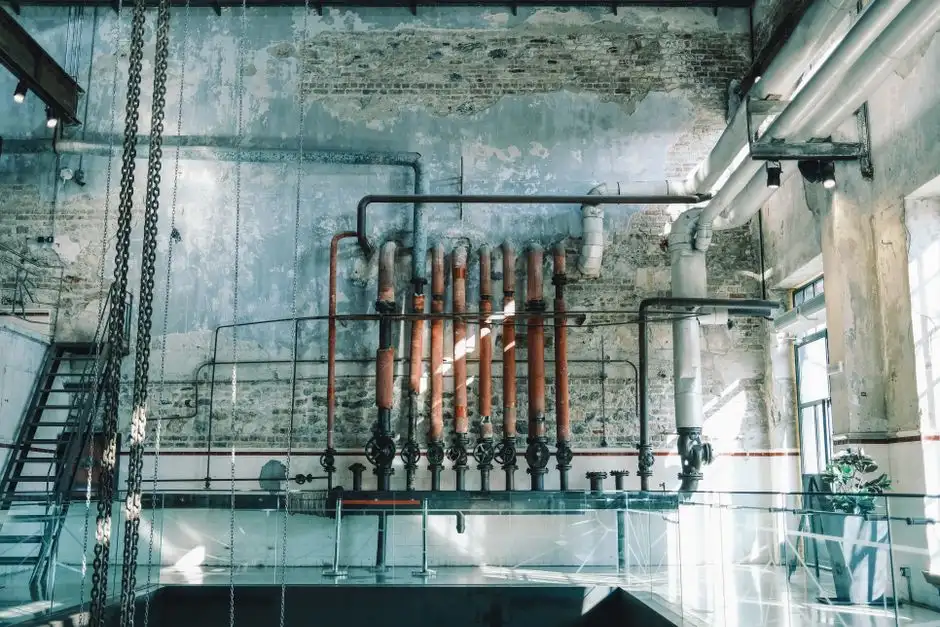
Professional Duct Cleaning Midvale UT is a full mechanical cleaning of your home's air distribution system, not a quick vacuum at the registers. We pull debris from the supply trunks, branch runs, return ducts, and the blower compartment using a negative air machine and HEPA vacuum paired with rotary brushes and air whips. Every vent, elbow, and joint gets worked. The goal is simple: get the dust, dander, and mold spores out of the system so your HVAC equipment isn't re-circulating them every time the furnace or AC kicks on.
Midvale homes built before the 1990s often have sheet metal duct runs that collect fine dust for decades, while newer builds around Bingham Junction use flexible duct that sags and traps debris at low points. Add Utah's dry, dusty summers and inversion-season air, and your ducts become a holding tank for exactly what you don't want to breathe. If you've priced professional duct cleaning Midvale UT cost before and hesitated, think about what allergy flare-ups and restricted airflow cost you every month.
Every job includes the full system, not just the visible vents. Here's what you get when you book professional duct cleaning in Midvale, Utah. Add-ons like dryer vent cleaning and coil cleaning are available if you want them, but the core service covers everything below.
We clean every branch run from the register boot back to the main trunk. That includes supply ducts, return ducts, and the plenum connections. No skipping the hard-to-reach runs in the basement or attic.
Each register cover is removed, washed, and vacuumed on both sides. We also clean the boot and damper so dust doesn't immediately blow back into the room when the system starts.
The blower wheel and cabinet collect dust that eventually reaches your living space. We clean the compartment and inspect the blower for debris that could throw it off balance.
You see before-and-after footage of your duct interiors. This is your proof that the work was done and done right. We leave you with a written summary of what we found and cleaned.
We use HEPA vacuums and negative air machines so dislodged debris leaves your home through the filter, not through your living room. This is the standard NADCA recommends and the one we follow.
If we find mold growth or biological contamination, we apply an EPA-registered sanitizer to the affected sections. We only treat what needs treating, and we tell you why before we do it.
We start with a duct camera inspection of your main trunks and a blower door test to measure system leakage. You see the footage on our monitor. This tells us where the worst buildup is, whether there's mold growth, and if pest infestation has left droppings or nesting material in the runs.
We seal every register cover with protective plastic and connect a negative air machine to the main trunk. This creates negative pressure so dislodged debris travels out of your home, not into your living room. Setup takes about 20 minutes on a typical Midvale ranch or two-story.
Technicians run rotary brushes and air whips through each branch line, then follow with compressed air nozzles and flexible duct rods on the trunk runs. Every supply and return gets worked from the register back to the plenum. This is the step that removes the compacted dust a shop vac can't touch.
A HEPA vacuum pulls the loosened debris out of the system. On ducts with confirmed mold growth, we apply an EPA-registered sanitizer. If we found pest activity, we remove the debris and treat the affected sections before sealing them back up.
We re-run the duct camera to confirm the runs are clean, check airflow at each register, and replace your register covers. You get before-and-after photos and a written summary of what we found. Most homes take two to four hours start to finish.
Purpose-built equipment, used by trained technicians — so the job is done accurately the first time.
Creates negative pressure in the duct system so dislodged debris travels out of the home through a HEPA filter, not into your living space.
Captures fine dust and allergens down to 0.3 microns. We use HEPA vacuums on every job, including the final pass after mechanical cleaning.
A spinning brush head that scrubs the inside walls of sheet metal and flexible duct, loosening compacted dust that a vacuum alone can't remove.
A compressed-air attachment with flexible fingers that flushes debris from branch runs and elbows where brushes can't reach.
A lighted camera on a flexible rod that lets us see inside the ductwork before and after cleaning. You see the footage on our monitor.
Measures how leaky your duct system is. We use it to find gaps that pull dust from unconditioned spaces into your air supply.
Delivers high-pressure air to break up stubborn debris in trunk lines and plenum connections before the HEPA vacuum pulls it out.
A homeowner bought a 1962 ranch that had never had duct cleaning. The duct camera showed a quarter-inch of compacted dust on the sheet metal, plus rodent droppings in one return run. The family had been dealing with musty odors and morning congestion.
After three hours of cleaning, the duct camera showed bare metal on all runs. We removed the pest debris, sanitized the affected section, and sealed a gap at the plenum. The musty smell was gone the same day, and the family reported fewer allergy symptoms within a week.
A family in a 2015-built home noticed uneven cooling upstairs and a dryer that took two cycles. The duct camera showed flexible duct runs in the attic with debris piled at low points, and the dryer vent was 70 percent blocked with lint.
We cleaned all supply and return runs, removed the lint from the dryer vent, and verified airflow at every register. Upstairs cooling improved immediately, and the dryer returned to a single cycle. The energy bill dropped by about 12 percent the next month.
A homeowner with asthma called because indoor air quality was worse than outdoor. The duct camera showed mold growth near the AC coil and heavy dust in the return plenum. The family had been running a portable air purifier in one room.
We cleaned the full system, treated the mold with EPA-registered sanitizer, and cleaned the AC coil and drain pan. The homeowner reported fewer asthma flare-ups within two weeks and stopped using the portable purifier in the main living area.
Dirty ducts cause more than dust. Here are the problems Midvale homeowners call us about most often, and how we fix them.
Ask a pro →We use rotary brushes, air whips, and a negative air machine to pull compacted dust from every run. The system is left clean enough that the duct camera shows bare metal, not a dust layer.
We confirm mold with a duct camera, remove the affected material, apply EPA-registered sanitizer, and seal the section so moisture stops collecting in the same spot. We also check the AC coil and drain pan.
We remove all pest debris, treat the affected sections, and seal entry points we can access. If the infestation is active, we'll tell you what needs to happen before cleaning so the problem doesn't return.
Cleaning restores the airflow your system was designed for. Most Midvale customers notice stronger register output immediately and see lower energy use on the next billing cycle.
Most Midvale homes run $300 to $600 for a full system cleaning in 2026. Larger homes over 3,000 square feet or systems with multiple zones can reach $800. The price depends on the number of registers, how accessible the duct runs are, and whether we find mold or pest debris that needs extra treatment. We give you a flat quote before we start.
Every three to five years for most Midvale homes. If you have pets, allergies, or someone in the house with asthma, every two to three years is better. After a renovation, move-in, or any water intrusion event, book a cleaning right away. Utah's dusty summers and inversion season push more debris into ductwork than most climates.
A full cleaning includes all supply and return ducts, the blower compartment, register covers, and the main trunk lines. We use a negative air machine, HEPA vacuum, rotary brushes, and air whips. You get before-and-after duct camera footage and a written summary. Dryer vent cleaning and AC coil cleaning are available as add-ons.
Yes, if your ducts have visible dust buildup, you've had water intrusion, or your family deals with allergies. Cleaning removes the reservoir of dust and allergens that re-circulates every time your HVAC runs. It also improves airflow, which lowers energy use. If your ducts were cleaned within the last two years and you have no pets or allergy concerns, you can wait.
 Air Duct Cleaning Near MeWhen you search for air duct cleaning near me in Midvale, you want a crew that can be at your door fast. We serve every neighborhood from Downtown Midvale to Wasatch Shadows and can usually schedule same-week service.Explore →
 24/7 Air Duct CleaningDuct emergencies don't wait for business hours. If your dryer vent is clogged or you smell burning from the vents, call our 24/7 line. We dispatch crews around the clock for urgent air duct and vent issues in Midvale and Salt Lake County.Explore →
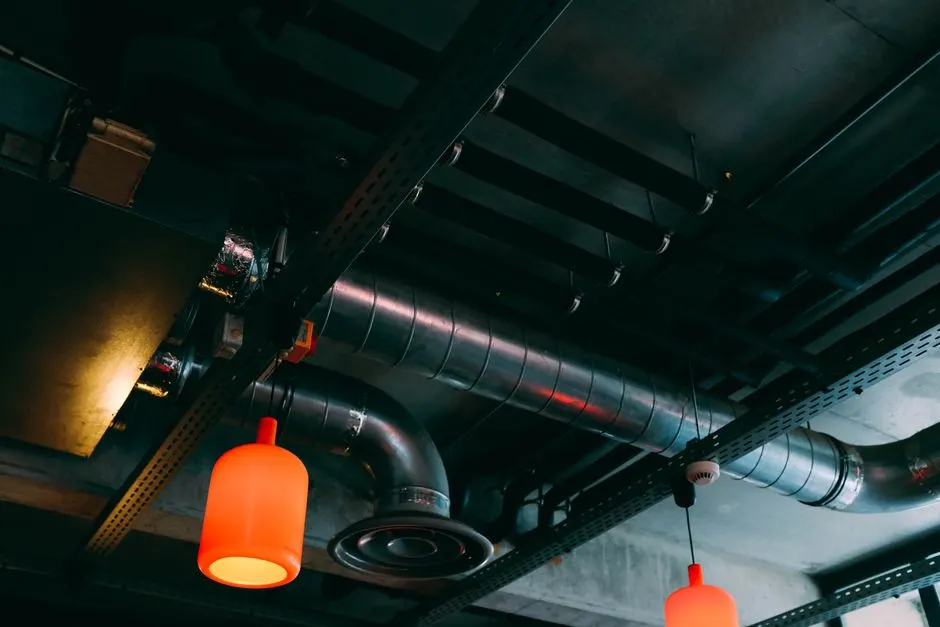 Emergency Air Duct CleaningWater damage, pest infestation, or a dryer vent fire risk needs immediate attention. Our emergency crews carry the same equipment as our standard trucks and can contain the problem the same day you call, including evenings and weekends.Explore →
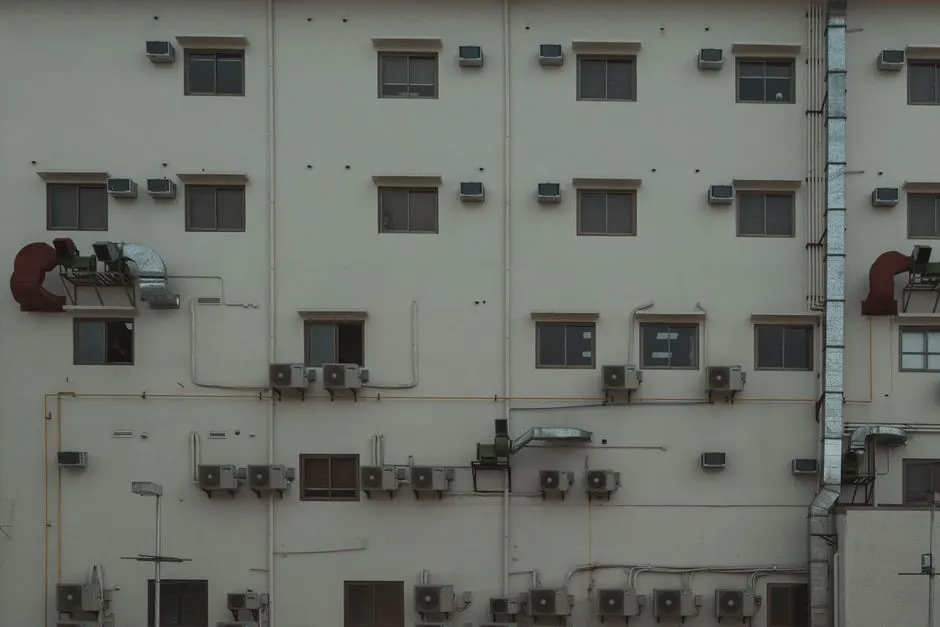 Residential Air Duct CleaningMost of our Midvale work is residential: single-family homes, townhomes, and duplexes. We handle everything from a 900-square-foot bungalow near Center Street to a 4,000-square-foot two-story in Midvale Heights.Explore →
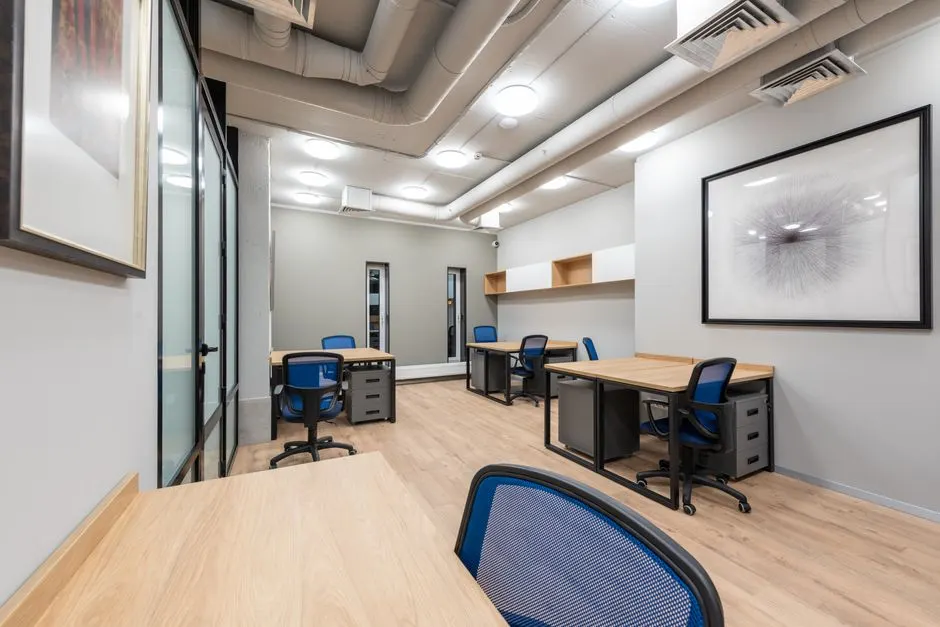 Commercial Air Duct CleaningRestaurants, offices, and retail spaces in Midvale need duct cleaning for grease, dust, and code compliance. We work after hours so your business doesn't lose a day of operation. NADCA-certified and fully insured for commercial sites.Explore →
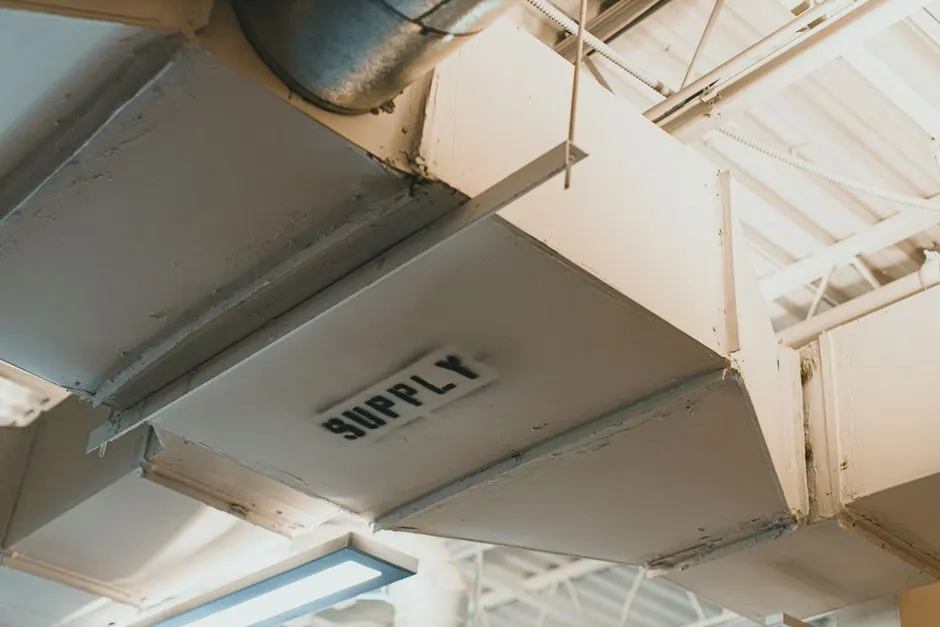 HVAC Duct CleaningYour ducts and HVAC equipment work as one system. We clean the blower compartment, evaporator coil access, and return plenum alongside the duct runs so the whole system moves air the way it was designed to.Explore →
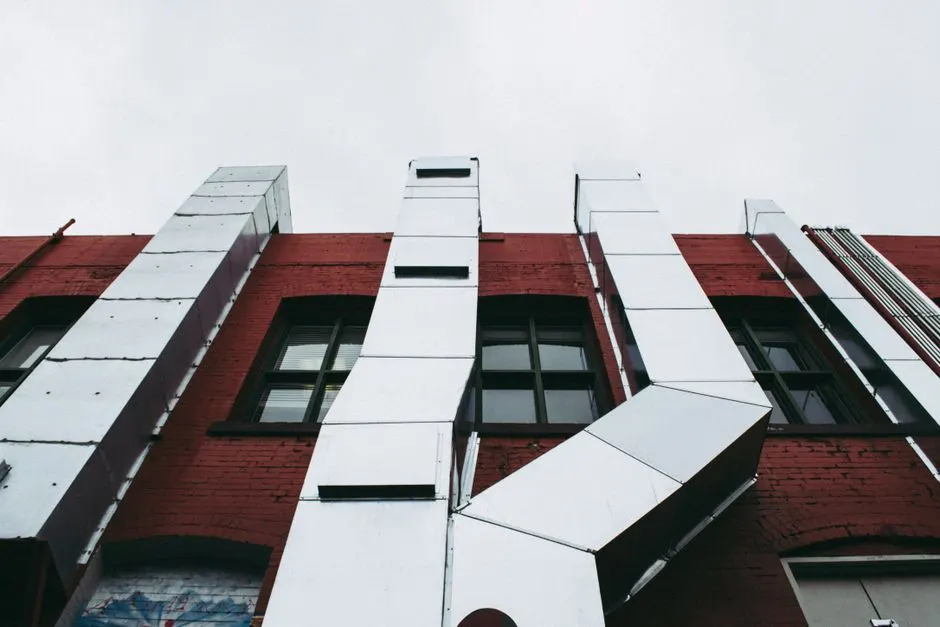 Furnace and Duct CleaningBefore heating season, we clean the furnace cabinet, blower wheel, and connected ductwork in one visit. Midvale homes that heat with gas furnaces benefit most, since dust bakes onto the heat exchanger and blower over winter.Explore →
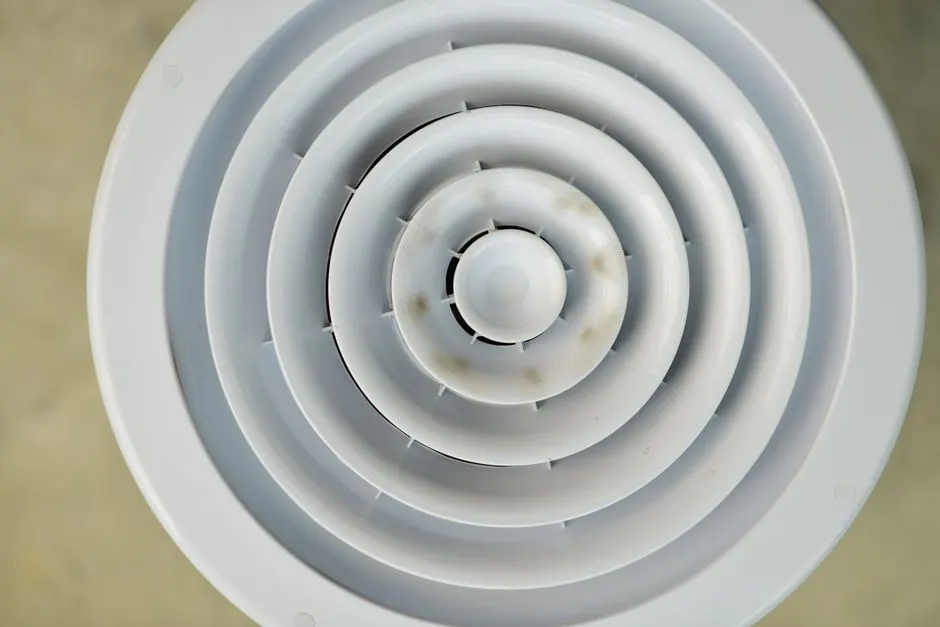 Air Vent CleaningRegister covers and vent openings collect visible dust that blows into the room. We remove each cover, clean the boot and damper, and vacuum the surrounding drywall edges so the vent doesn't immediately re-dirty the room.Explore →
We're NADCA-certified, licensed, and insured. Call now and we'll give you a flat price over the phone, then schedule a crew at your convenience. Same-day slots available for urgent calls.
Schedule Your Cleaning (855) 927-7517 →Call (855) 927-7517 or email [email protected] and we will get you a flat quote, usually within the hour during business hours. We run same-day and next-day slots across Midvale and Salt Lake County. If you have an after-hours emergency, the phone line stays open.